
Local ecommerce platforms versus international marketplaces
In today’s global, digitalised, always-on world, you can purchase items from online marketplaces almost anywhere. In the past, buying from overseas ecommerce platforms may have been a viable option for South African consumers, but the situation has now changed significantly.
Geopolitical events, such as the imposition of tariffs or disruption to major shipping routes, can have a knock-on effect on ecommerce. South African online shoppers are experiencing these changes as increased uncertainty. No wonder shoppers here are looking for alternatives to international marketplaces.
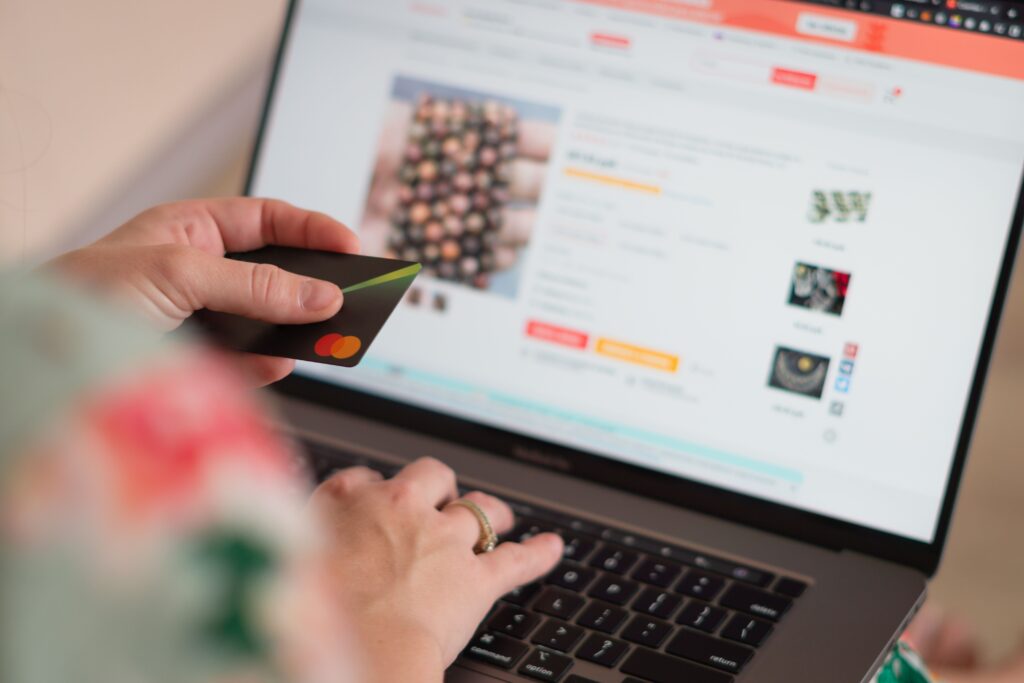
Image courtesy of Marcial Comeron. Published on: April 28th, 2022. Source: pexels.com
How much and when?
The combination of shipping delays and a lack of integration with domestic postal services means that items ordered from overseas online sellers can now take much longer to arrive – and often, it can be hard to find out exactly when to expect a shipment. On top of this, the extra admin and payments associated with import taxes and fluctuating trade policies can become frustrating and unquantifiable – and ultimately lead to more expensive transactions.

Image courtesy of Kindel Media. Published on: February 18th, 2021. Source: pexels.com
The answer is closer to home
Increasingly, these challenges are causing South African online shoppers to turn away from buying from overseas sellers. Not knowing when – or even if – their ordered item will arrive, or how much they will end up paying doesn’t make for a relaxed, enjoyable online shopping experience. Worse still, fraudsters have been quick to exploit this situation, using phishing attacks based on fake shipping and import tax notifications to try and scam consumers.

Image courtesy of Tima Miroshnichenko. Published on: December 22nd, 2020. Source: pexels.com
Local is lekker
Fortunately, South African consumers have an excellent alternative to overseas sellers, with a range of excellent local ecommerce platforms to choose from. There are multiple benefits to buying from local sellers, including much faster deliveries, no import duties to pay, and the ease of getting shipping updates (in fact, these are often automated). Plus, the level of support is always higher, with customer service agents easy to reach via a phone call, WhatsApp message, or in-app chat.
Shopping from local ecommerce platforms brings a level of transparency that overseas sellers just can’t match in terms of certainty around pricing and delivery timeframes and windows. Local alternatives to international marketplaces are also more likely to be attuned to the priorities, preferences and budgets of South African shoppers.
There’s a tendency that South Africans sometimes have to think that anything from overseas must automatically be better than anything sourced locally, but we’re here to tell you that when you decide to buy from local South African sellers, you’re making the right choice.

Image courtesy of Chad Witbooi. Published on: August 13th, 2020. Source: pexels.com
Bob Shop benefits
At Bob Shop, we’re proud to be a South African online marketplace and to help shoppers in South Africa save time and money with their online shopping. As we’ve grown Bob Shop, we’ve built in features that make shopping from a local platform easier, safer and more convenient.
These include Buyer Protection (for those rare occasions when the seller doesn’t send the item, or it’s very different from what was described); secure payment options that you can use with confidence; verified sellers for complete peace of mind; and active community management that keeps our platform free from scammers.

Image courtesy of Kindel Media. Published on: March 22nd, 2021. Source: pexels.com
Proudly South African
Also bear in mind that when you buy local South Africa, you’re not just benefitting as a shopper – you’re also supporting local businesses, helping to create jobs and boost innovation, and ensure more choice in the future. It really is a win-win situation – and not an import tax bill in sight.